


July brought us the UK’s first hosepipe ban of the year, with Yorkshire taking the lead. Thames Water and other regions closely followed, as a result of the dry weather we’ve experienced so far this year. After three heatwaves already this summer, it’s clear our water supply is under serious strain.
With reservoirs and rivers running low, these bans highlight an uncomfortable truth. Our current water use isn’t sustainable, and this problem won’t fix itself.
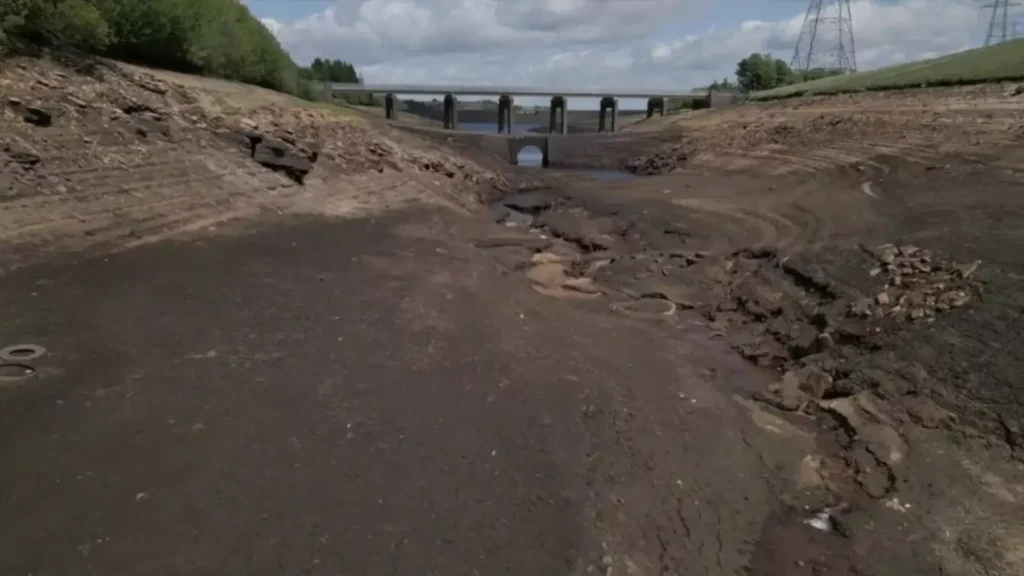
Hosepipe bans (or Temporary Use Bans) happen when water companies worry about maintaining essential supplies. This year, several factors have combined:
- Exceptionally dry weather with one of the driest springs in over a century
- Repeated heatwaves increasing water demand across households and businesses
- Reservoir levels dropping fast, Yorkshire’s storage is at just 56% of normal capacity
These bans signal that our water system is struggling with both immediate weather extremes and longer-term climate changes.
Thames Water has already implemented restrictions in some counties and other companies across the South East, Midlands, and East Anglia are monitoring their levels closely, particularly in high-demand areas.
As climate change brings hotter summers and more extreme weather, hosepipe bans will likely become a regular feature of UK summers.
This is a warning to rethink how we use and value water. Every day in the UK, households and businesses consume billions of litres of treated mains water, much of which could be reduced, reused, or replaced with rainwater.
Small changes can make a significant impact:
- Take shorter showers, even one minute less saves 12 litres
- Turn off taps when brushing teeth or washing up
- Reuse water from rinsing fruit or boiling vegetables for plants or cleaning
- Only run washing machines and dishwashers with full loads
- Use water butts to collect rainwater and reduce mains water reliance
July did include showers and sporadic rainfall, but that won’t solve the underlying issue. After dry spells, much rainfall runs off hard, compacted ground instead of soaking in, creating flash flooding risks while doing little to replenish reservoirs.

Long-term solutions like improving water infrastructure, fixing leaks, building new reservoirs, and changing household habits are essential for future water security.
Hosepipe bans are one visible sign of a larger challenge. Climate change and population growth are putting immense pressure on UK water systems. Without changes in water management from industry to individuals, we face a future where water scarcity becomes normal rather than exceptional.