Nick Loader
The Cream On The Cake
Nick Loader’s low-carbon self-build in Kent, and the rainwater harvesting system that future-proofs it.
This story follows Nick Loader, who is building his own eco-friendly, low-carbon home in Kent. Nick shares the unusual materials, the daily challenges of a self-build, and why rainwater harvesting earned its place in the plan.
Rainwater Harvesting For Self-Builder: Nick's Self-Build Journey
Nick Loader · Eco self-build, Kent
What began as a request for a slightly bigger house became a self-build eco home: low-carbon materials and a house that looks after itself for energy and water. Nick shows the materials going in, talks honestly about the challenges, and explains why a GRAF rainwater harvesting tank to supply the garden, toilets and washing machine was worth it, with hosepipe bans lasting months every year and a water supply that gets cut off.
A bigger house, then a better one
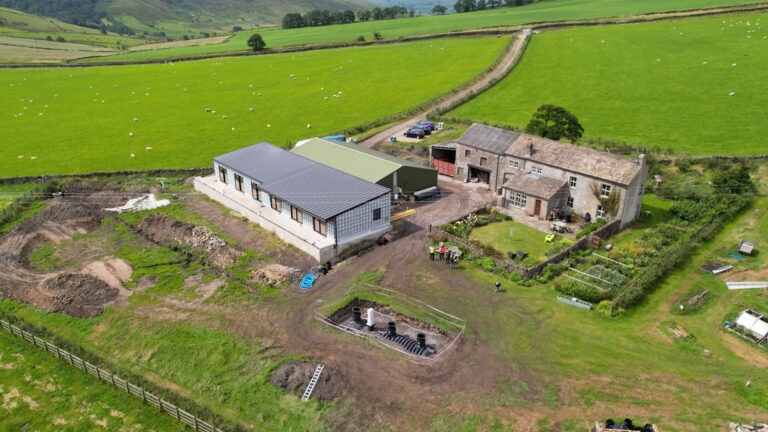
A couple of years ago, Nick’s wife asked whether the house could be a little bigger. That became a self-build eco home, built with very low-carbon materials, that looks after itself for energy and water. Both of them have always cared about the planet and the community, and they wanted to do their little bit for their grandchildren and great-grandchildren.
Ideas from Europe
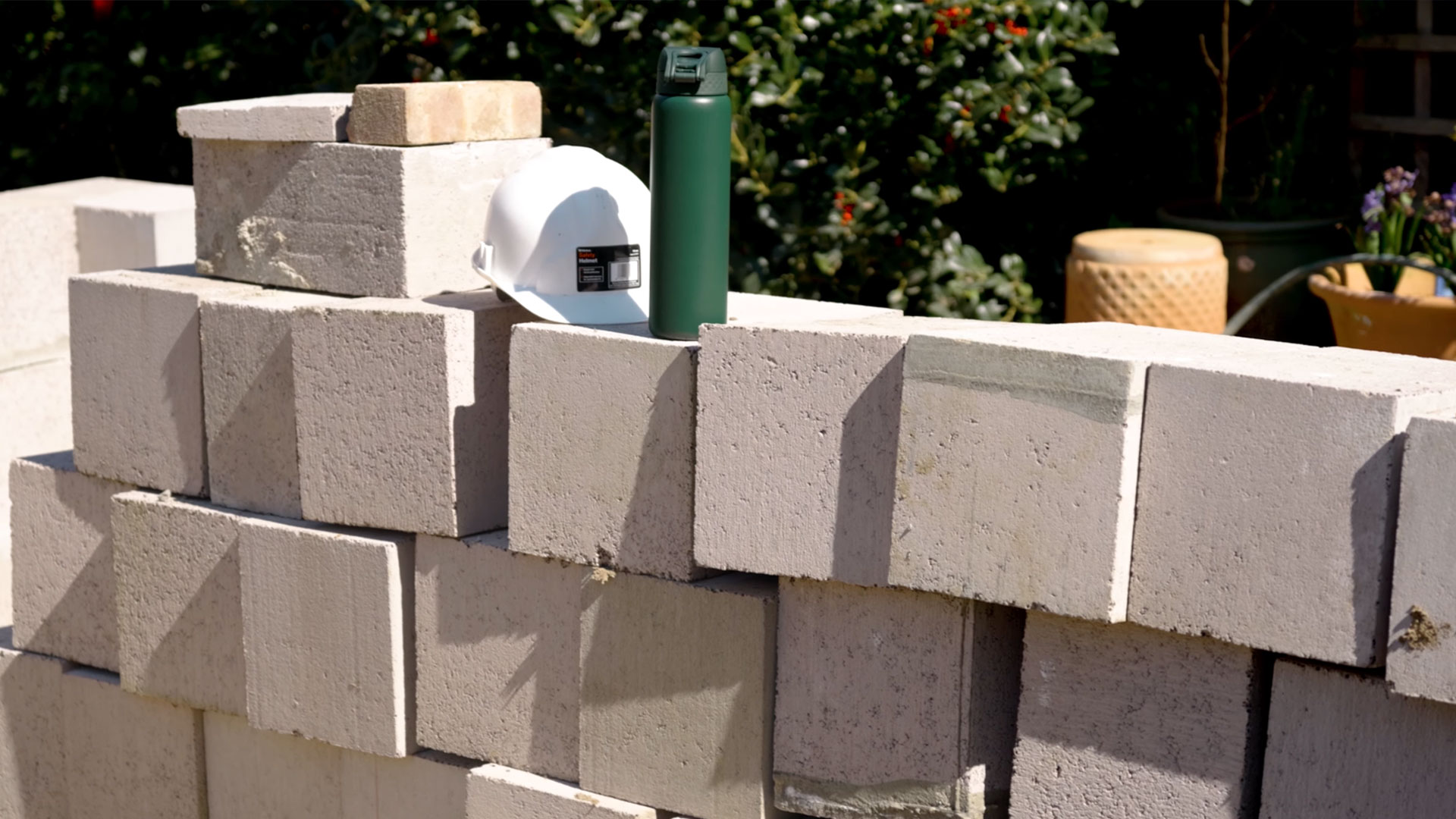
Nick is using four or five features from Europe that he feels are still unusual in the UK: heavy interlocking foundation blocks, clay blocks that glue down and slot together, a perlite floor that stops heat escaping, and solar panels that are the roof. He reckons doing the build himself will save him about 100,000 over a couple of years.
Deciding late, digging hard
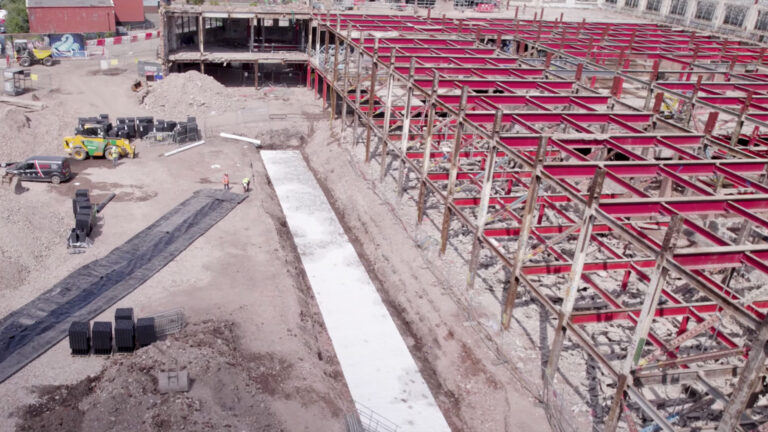
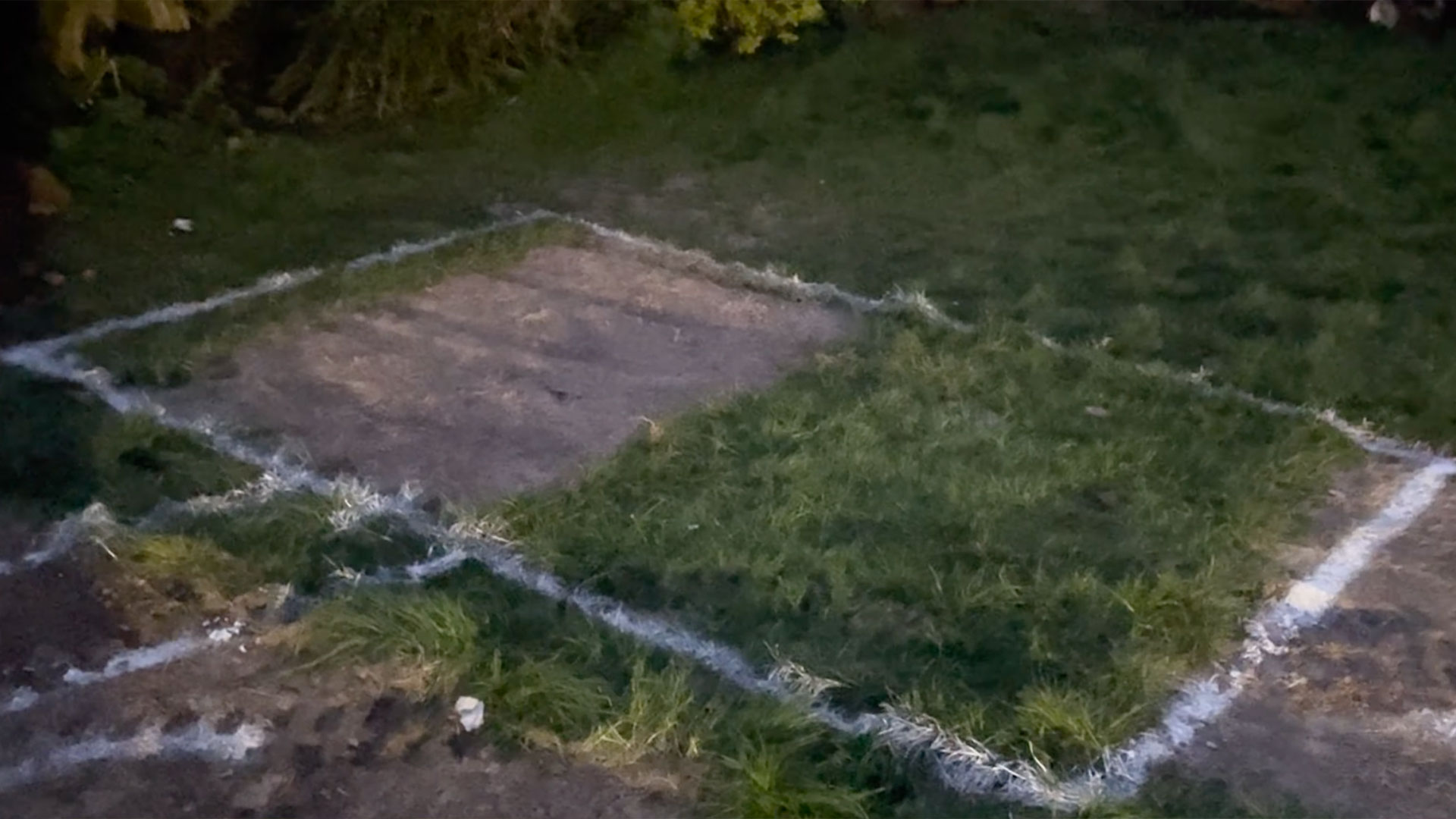
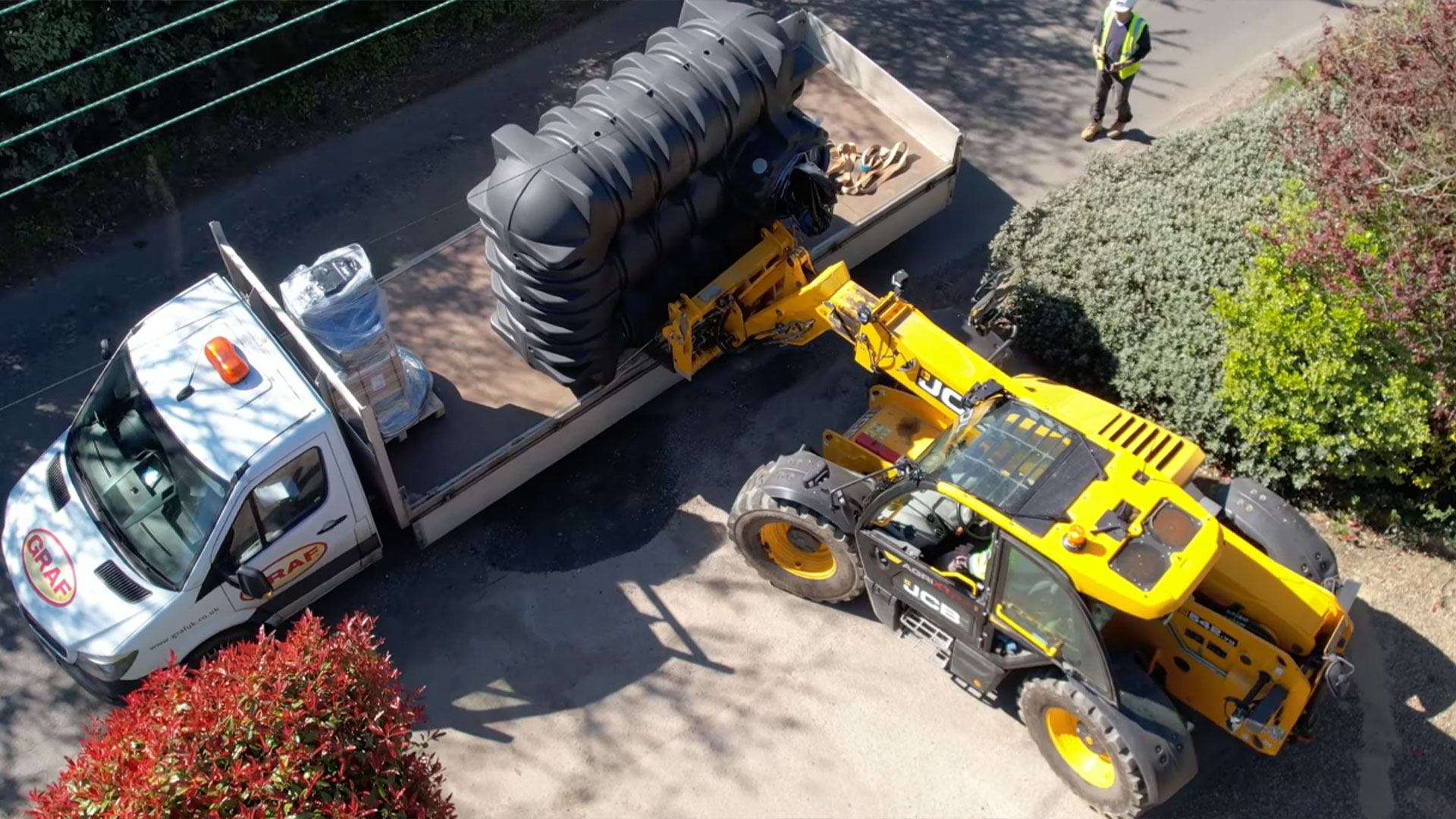
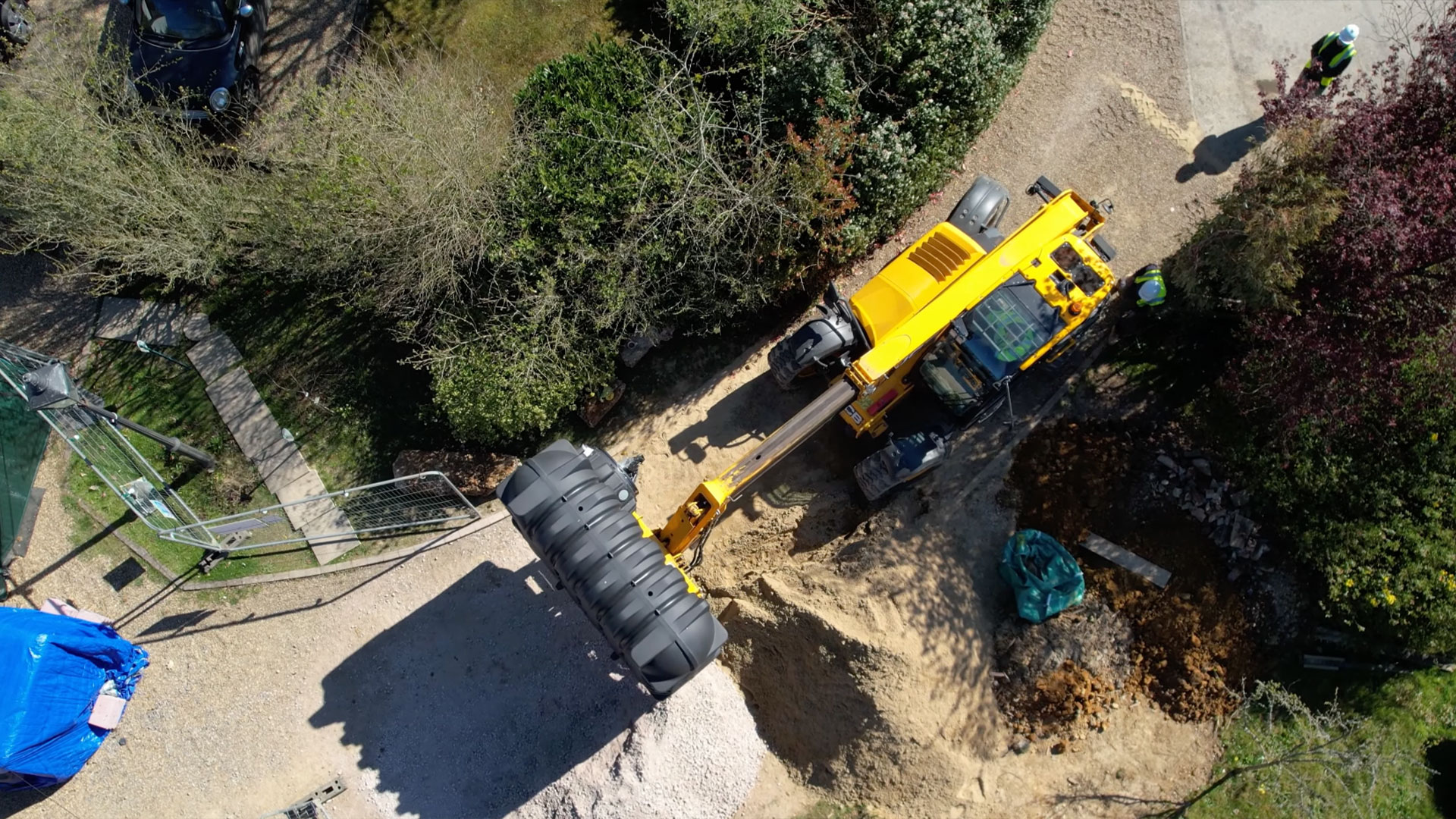
Rainwater harvesting was in the plan at the start, then out because of the cost, then back in two weeks before filming. With the foundation walls going up, the tank had to go in straight away. The digger could only work from one end, so there was a lot of hard manual digging against the delivery date, before the tank was lowered in with a telehandler with a 9 m reach.
Future-proofing the water
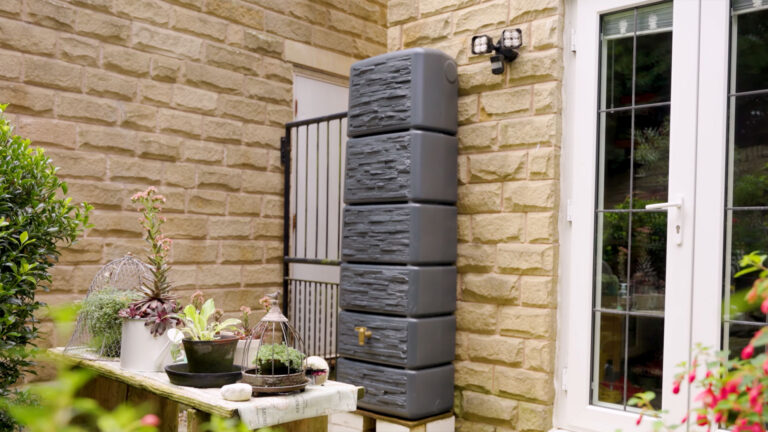
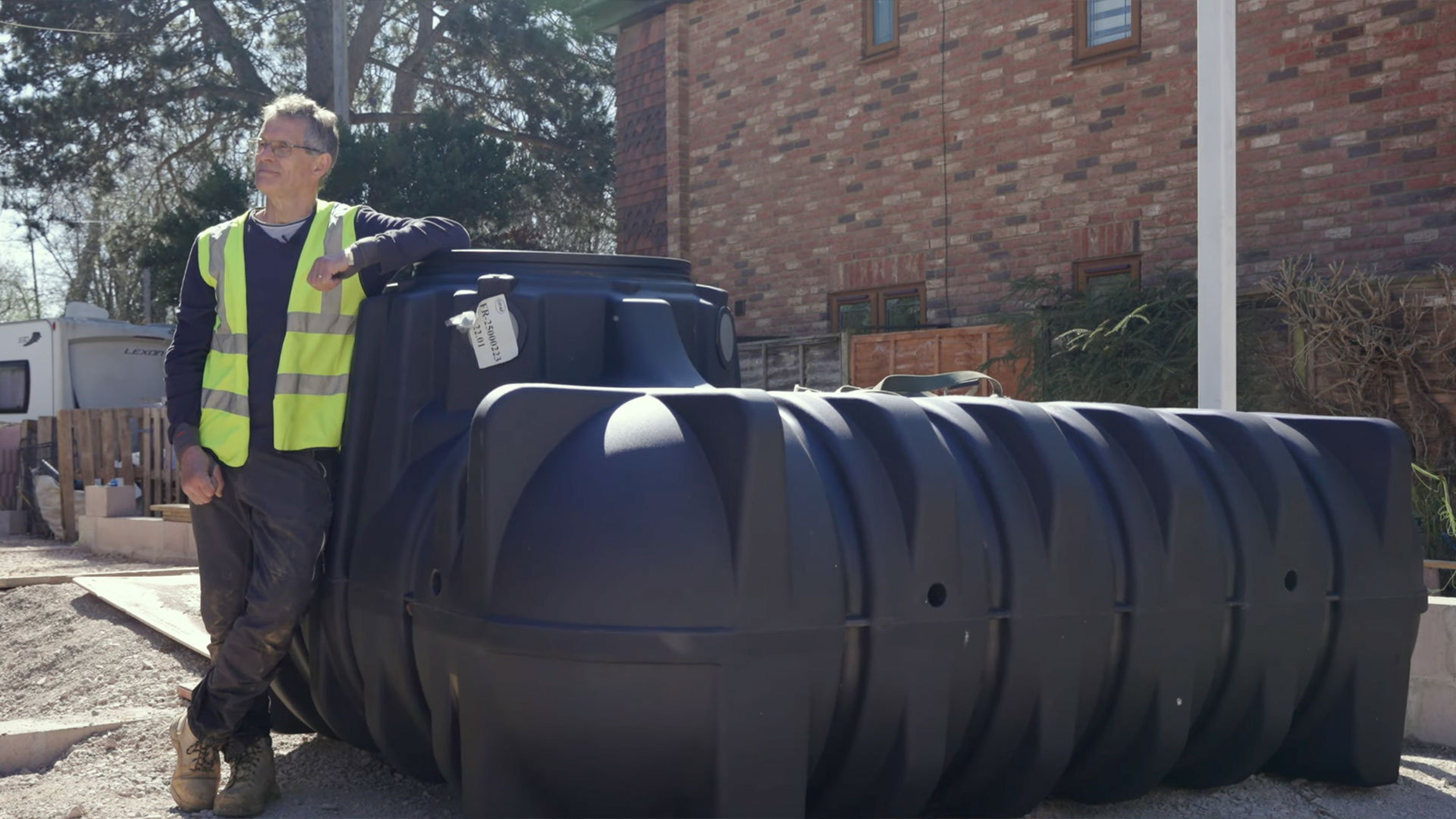
In the four years they’ve lived there, there has been a four-month hosepipe ban every year, leaving a lovely garden half dead. The road outside is regularly dug up, and the water can be cut off for a day or two. The GRAF tank will water the garden and also run the toilets and washing machine. Nick calls it the cream on the cake, and expects it to pay for itself eventually.
Put it in at the start
Nick’s one piece of advice on rainwater harvesting is to do it right at the beginning, before the footings go in, when a digger can get in from both sides. More widely, he says to do lots of research, talk to experts, check that the people you hire have done it before, and expect a challenge every day.
“We’ve been here 4 years, every year, 4 months hosepipe ban. We got a lovely garden and it ends up being half dead, so this rainwater harvesting system is really the cream on the cake. It’s been a massive advantage in that sense and that actually means economically it will pay for itself eventually.”

Product highlighted in this story
“this will also be running our toilets and washing machine. In terms of future proofing the house, it’s definitely an advantage. The water gets cut off and that can be two days, the odd day here, the odd day there.”
Get expert advice
Planning a self-build? Talk to our team early about rainwater harvesting, so the tank goes in before the footings do.