


Four years ago, we warned that the next war could be about water (see The benefits of rainwater harvesting systems – GRAF UK).
Our warning is even more relevant today than it was four years ago. But is it any more likely to be heeded?
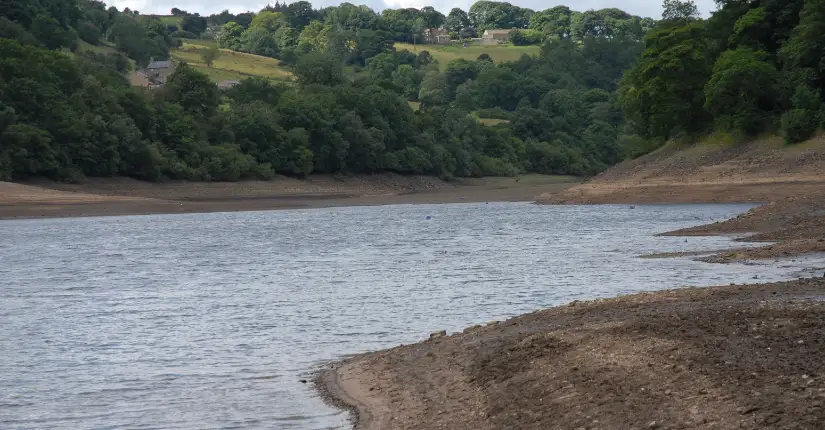
The hottest summer in British history has brought severe drought conditions and heatwaves across Europe, led by record-low rainfall and high temperatures. Reservoir and groundwater storage has depleted significantly, causing low river flows, restrictions on public water use, and stress on agriculture and wildlife.
Reservoir storage levels across England have dropped to roughly 69% – well below the long-term average for summer, and widespread hosepipe bans and usage warnings affect millions of people, particularly in London, the South West, and parts of East Anglia.
Water levels on the major continental rivers like the Rhine and Danube have hit extreme lows, disrupting commercial shipping and forcing temporary closures at power plants due to a lack of cooling water.
Yet islands such as the UK, which are small by continental standards, do not appear to be addressing the water crisis in terms of investment in desalination plants. Mainland England’s main facility—the Thames Gateway Water Treatment Works in Beckton which was built in 2010 for £270 million – has only been turned on a handful of times due to high energy costs and technical challenges.
Another island 26 times smaller than the UK, Cyprus, has had to resort to importing drinking water while its network of reservoirs stagnate at low capacity due to an unseasonably dry winter and long-delayed investment in desalination plants start to bear fruit. In the UK, planned new reservoirs are facing opposition from environmental groups and communities concerned about ecological loss.
And unbelievable as it may sound, despite the UK’s reputation for being wet, water is becoming increasingly unaffordable for millions of people. Water poverty — where water bills exceed 3–5% of household income — affects around 1.5 million households in England and Wales (CCW, 2023), especially those in low-income households, social housing, or rural areas.
While the UK doesn’t have universal mandatory requirements for rainwater harvesting systems (as solar panels are expected to have in 2027), some far-sighted utility companies like Thames Water and Southern Water are offering incentives to housing developers to include them.
Water is more valuable than gold in places like Africa, yet in the south-east of England, there is less water per person than the desert state of Sudan. Does that bring it home?
Posted by Callum Vallance-Poole, on September 29, 2026.